
Arduino Final-Year Project Ideas That Are Actually Achievable
Most final-year projects fail for the same two reasons: the idea was too ambitious for the time available, or a critical part could not be sourced in time. What follows are ideas that avoid both, grouped by how much work they actually are.
Straightforward, roughly two weeks
An automatic hand sanitiser dispenser. An ultrasonic sensor detects a hand, a pump or servo dispenses. The whole build is a distance reading plus an output, and the demonstration is immediate and obvious.
A smart dustbin whose lid opens when you approach. Same components, different housing, and it looks impressive without being difficult.
A temperature-controlled fan. Read a DHT22, switch a relay when the reading crosses a threshold, show the value on a small display. This one teaches you about hysteresis, because a naive threshold makes the relay chatter on and off around the setpoint.
Moderate, roughly a month
An IoT weather station. An ESP32 reads temperature, humidity and pressure and posts the values to a dashboard. Where students get stuck is not the sensors, it is the network code, so build and test the sensor part first and add WiFi only once the readings are solid.
An RFID-based attendance system. An RC522 module reads cards, an Arduino logs them, ideally to an SD card with a timestamp from a real-time clock module. The common failure is forgetting the clock, which leaves you with entries you cannot order.
A soil moisture irrigation controller. A moisture probe triggers a pump through a relay. The trap is that cheap resistive probes corrode within weeks in wet soil, so use a capacitive probe if the project has to keep running after submission.
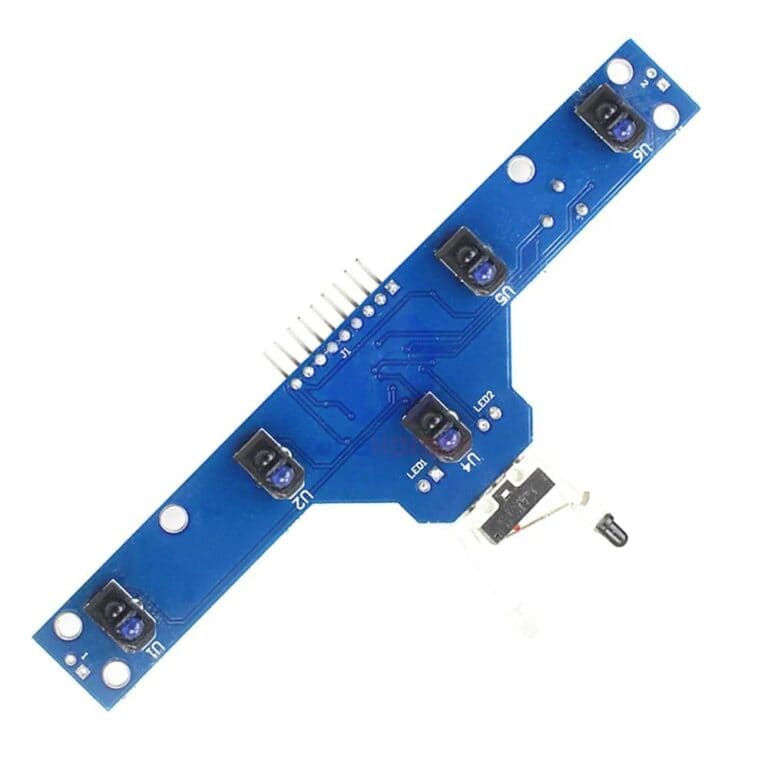
A line-following or obstacle-avoiding robot. IR sensors plus an L298N motor driver plus a chassis. The difficulty is entirely in the tuning, not the wiring, so give yourself time to adjust it on the actual surface where you will demonstrate.
Ambitious, start early
A GSM-based security system that sends an SMS when a sensor triggers. A SIM800L module works anywhere with mobile coverage, but it needs a supply that can deliver a 2A spike during transmission. Powering it inadequately is the single most common reason these projects fail, and the symptom is a module that restarts constantly.
A home automation system controlled from a phone. An ESP32 serving a web interface that switches relays. Scope this carefully: two or three controlled outlets demonstrated reliably beats eight that half work.
An energy monitor measuring household consumption. A current sensor such as the SCT-013 clamped around a live conductor, with the readings logged. Take the mains side seriously and have someone competent check your isolation before you power it.
Practical advice
Choose something you can demonstrate in the room, without internet if possible, because venue WiFi fails at exactly the wrong moment. Build the sensing part first and confirm your readings are trustworthy before adding anything else, since almost every debugging nightmare traces back to a reading that was wrong all along. Buy your components early and buy a spare of anything critical, because the week before submission is the worst possible time to discover a part is out of stock.
We stock the parts for every project on this page at our Nairobi CBD shop and deliver countrywide. Tell us your project and we will put the parts list together rather than guessing.
// Threshold control with hysteresis — the pattern behind most of these projects.
// A naive threshold makes a relay chatter around the setpoint; two thresholds fix it.

const int RELAY_PIN = 7;
const float ON_ABOVE  = 30.0;   // switch on above 30 C
const float OFF_BELOW = 28.0;   // switch off only once back under 28 C

bool running = false;

void setup() {
  pinMode(RELAY_PIN, OUTPUT);
  digitalWrite(RELAY_PIN, LOW);
  Serial.begin(9600);
}

void applyControl(float tempC) {
  if (!running && tempC > ON_ABOVE) {
    running = true;
    digitalWrite(RELAY_PIN, HIGH);
    Serial.println("ON");
  } else if (running && tempC < OFF_BELOW) {
    running = false;
    digitalWrite(RELAY_PIN, LOW);
    Serial.println("OFF");
  }
}Browse our full catalog of Arduino boards, sensors and components.
Reviews
Be the first to review this guide.
More tutorials
 Beginner
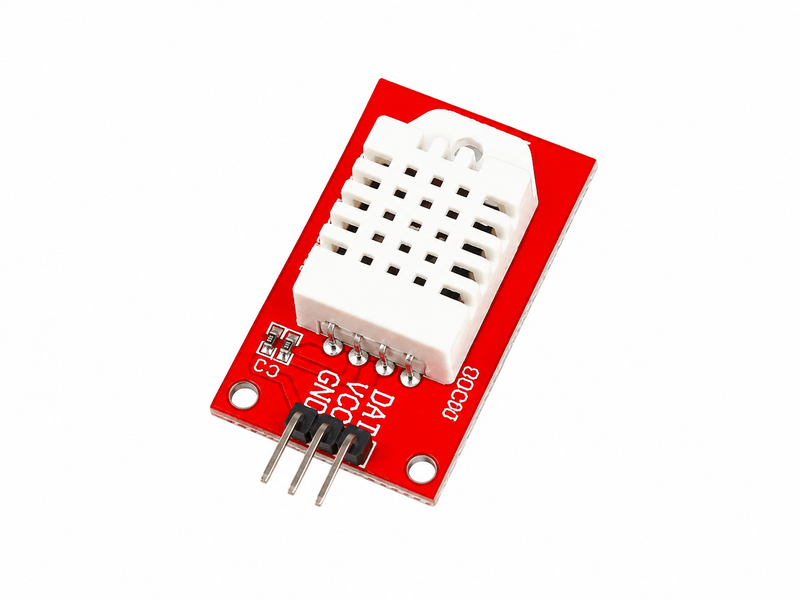
 Wire either sensor, choose between them honestly, and handle the failed readings that every DHT sensor produces.
 Beginner
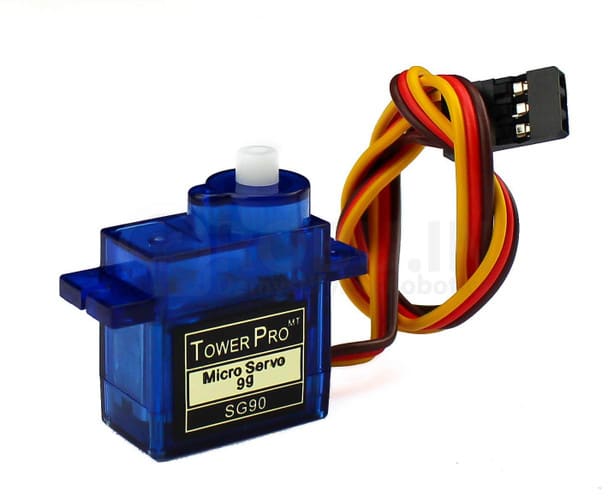
 Move a servo to an exact angle, and understand why powering it from the Arduino is the mistake that breaks most first attempts.
 Beginner
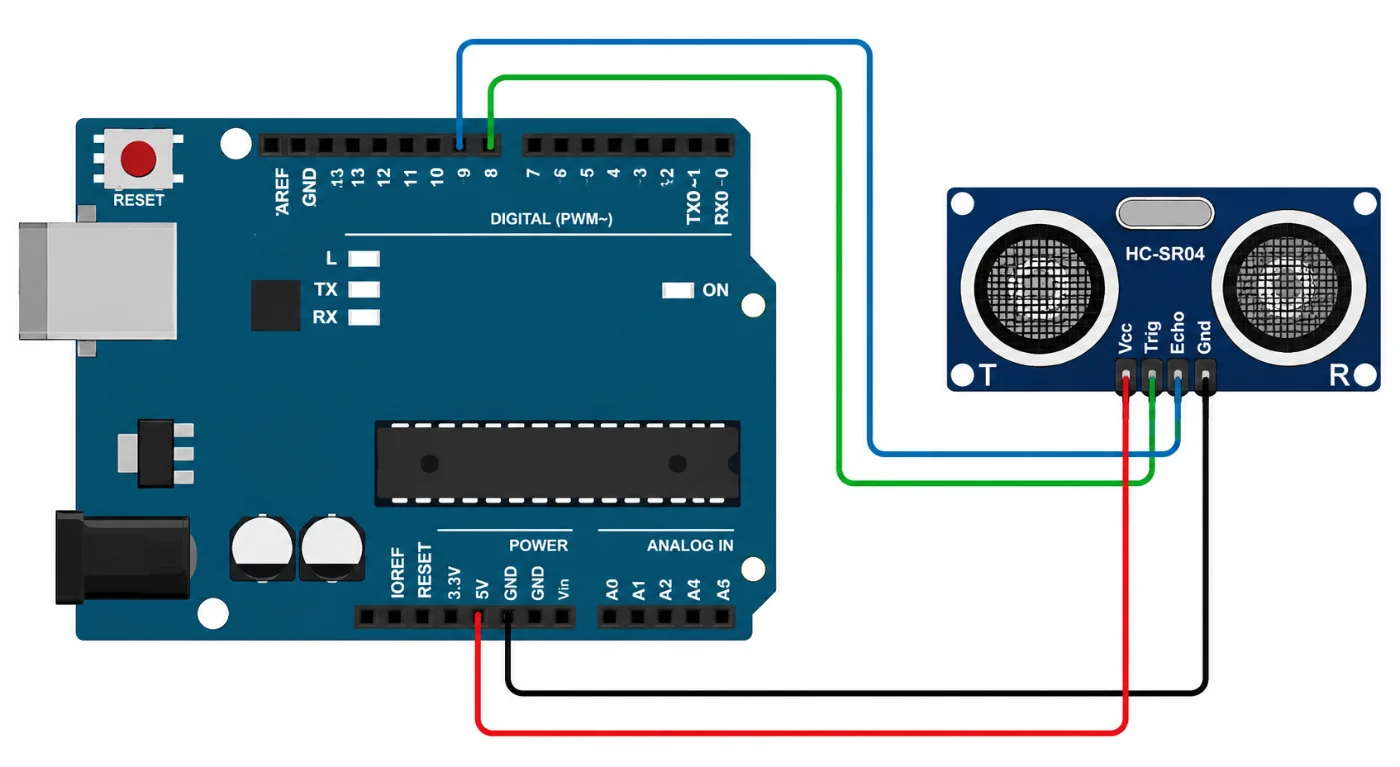
 The HC-SR04 is one of the most commonly used ultrasonic sensors with Arduino. It is designed for non-contact distance measurement and is frequently used in robotics, automation, and other electronics projects. This guide explains how to connect the HC-SR04 to an Arduino and create a simple program for measuring distance. Requirements Arduino Uno or a compatible Arduino board HC-SR04 ultrasonic distance sensor